Self-replicating factory

Seed Factory

Raw materials go in: scrap metal, sand, cement, clay, wood, waste plastic and electricity. Out come tractors, houses, wind turbines and pumps, and a complete copy of the factory. The design uses about 30 machine types built from 14 shared modules, mostly cast concrete instead of iron, and no rare-earth magnets. According to the design model, 99.8% of a replica’s mass is made in-house, and a replica costs less than a twentieth of what the equivalent commercial machines would. The first step is a starter cell: my own CNC router and 3D printer on one bench, plus a small six-axis robot arm. In the simulation, the arm loads the router, changes its cutters, clamps the vise, vacuums the chips and assembles a pen holder from a milled aluminium base and a printed cup, while the machines run real program files.

Design and simulation with real parametric CAD · not built yet

Talk about the factory
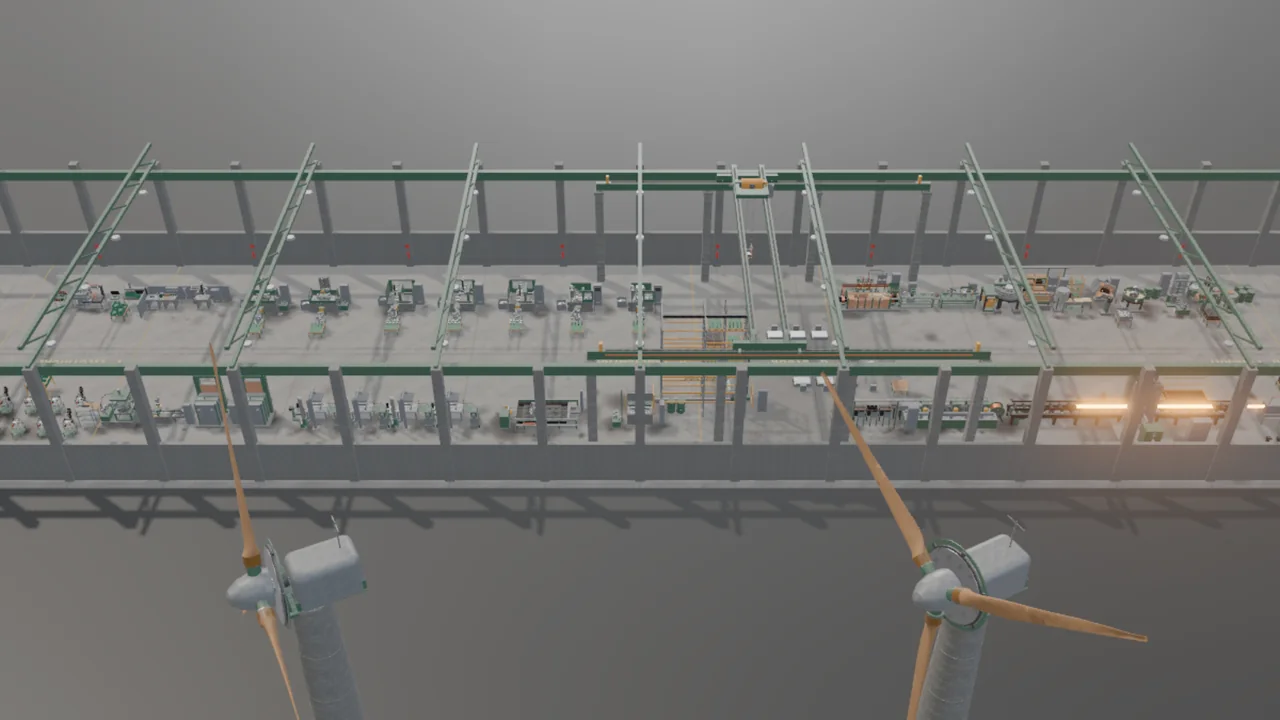
Pitch film, about four minutes. The factory scenes are rendered from the real CAD models. With sound.
The Seed Factory hall in the 3D explorer: rows of machines under a steel frame, a gantry crane and two wind turbinesExplore the factory in 3DWalk through the whole factory hall and the starter cell, open any machine at full CAD detail, explode it, and change designs live. Still in development.
AI CAD / live product

Partomat

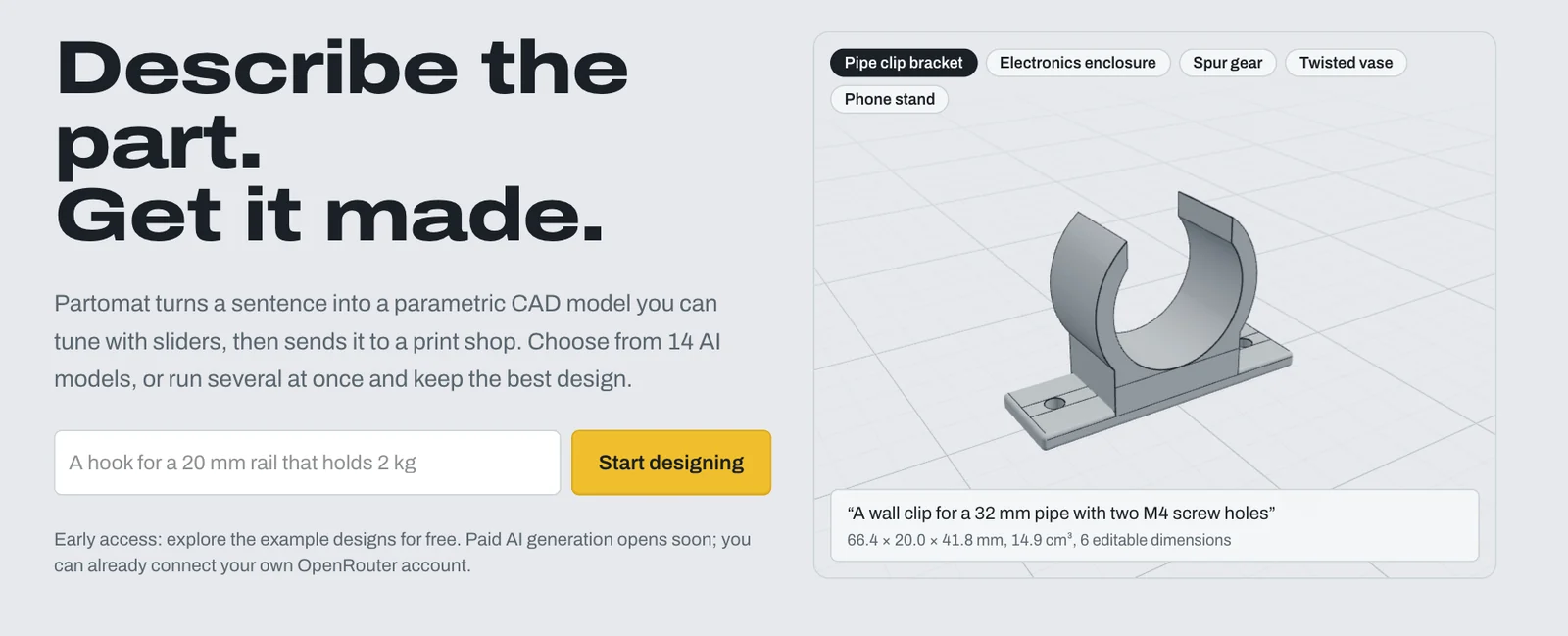
Partomat is my AI CAD tool in the browser. You describe a part, for example a wall clip for a 32 mm pipe with two M4 screw holes, and a language model writes a parametric CAD program for it. The important dimensions become sliders, so you can change a hole or a wall thickness and the part rebuilds at once. You can send the same request to up to four models and keep the best design. For each part, Partomat suggests a way to make it, from 3D printing to machining, with a price.

Live at partomat.com · early access

Open Partomat
Partomat homepage: a text field to describe a part, next to a 3D model of a pipe clip with two screw holes
partomat.com, October 2026

World simulation / strategy game

Earth Economy

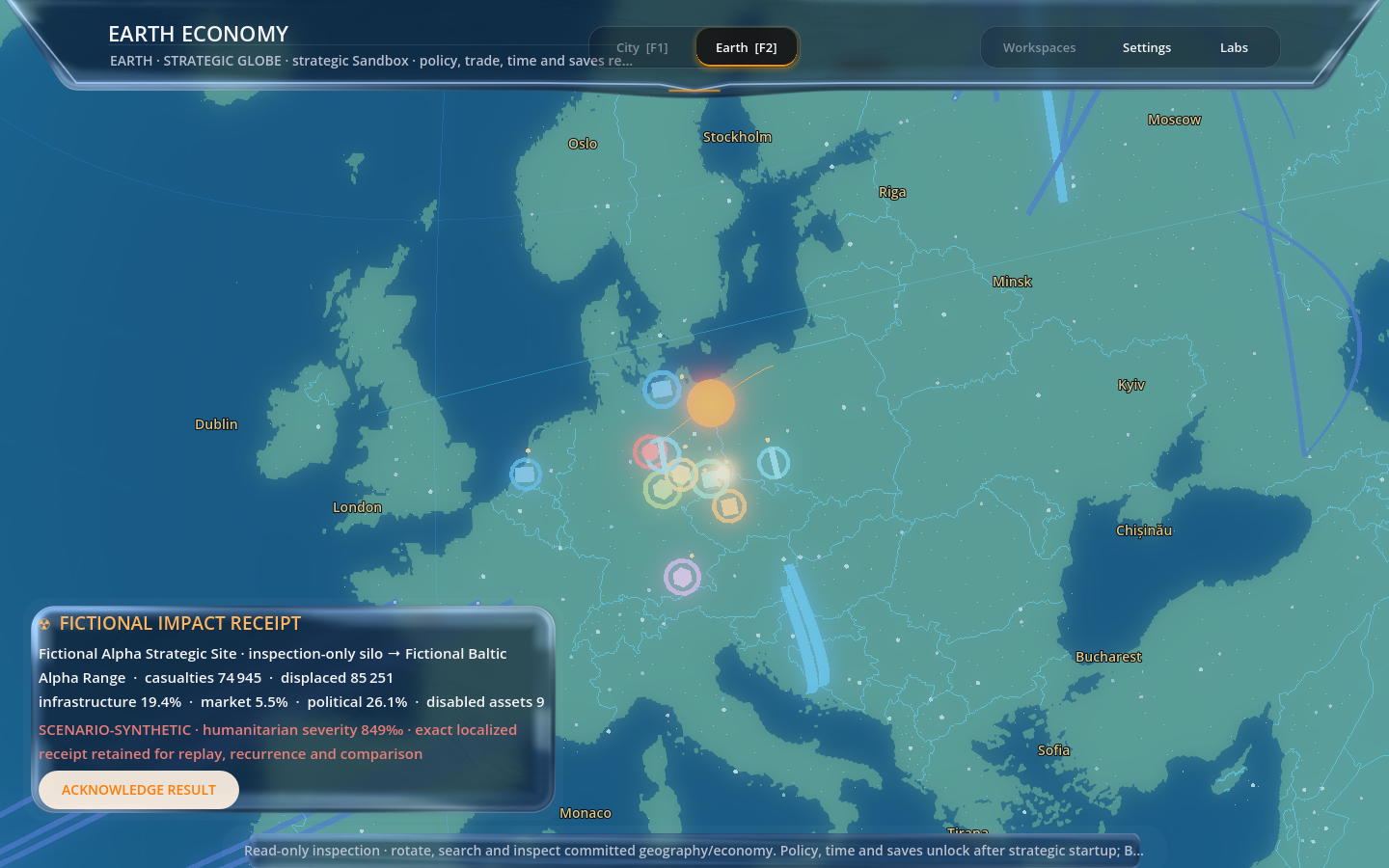
A strategy game simulating what happens on Earth. People, companies, markets, governments, weather, and military activity affect each other. Change a law or make another intervention, watch what happens, and compare possible futures.

Simulation in development

Read the development note
Earth Economy command-center simulation view

Voxel strategy game

Voxel Sovereigns

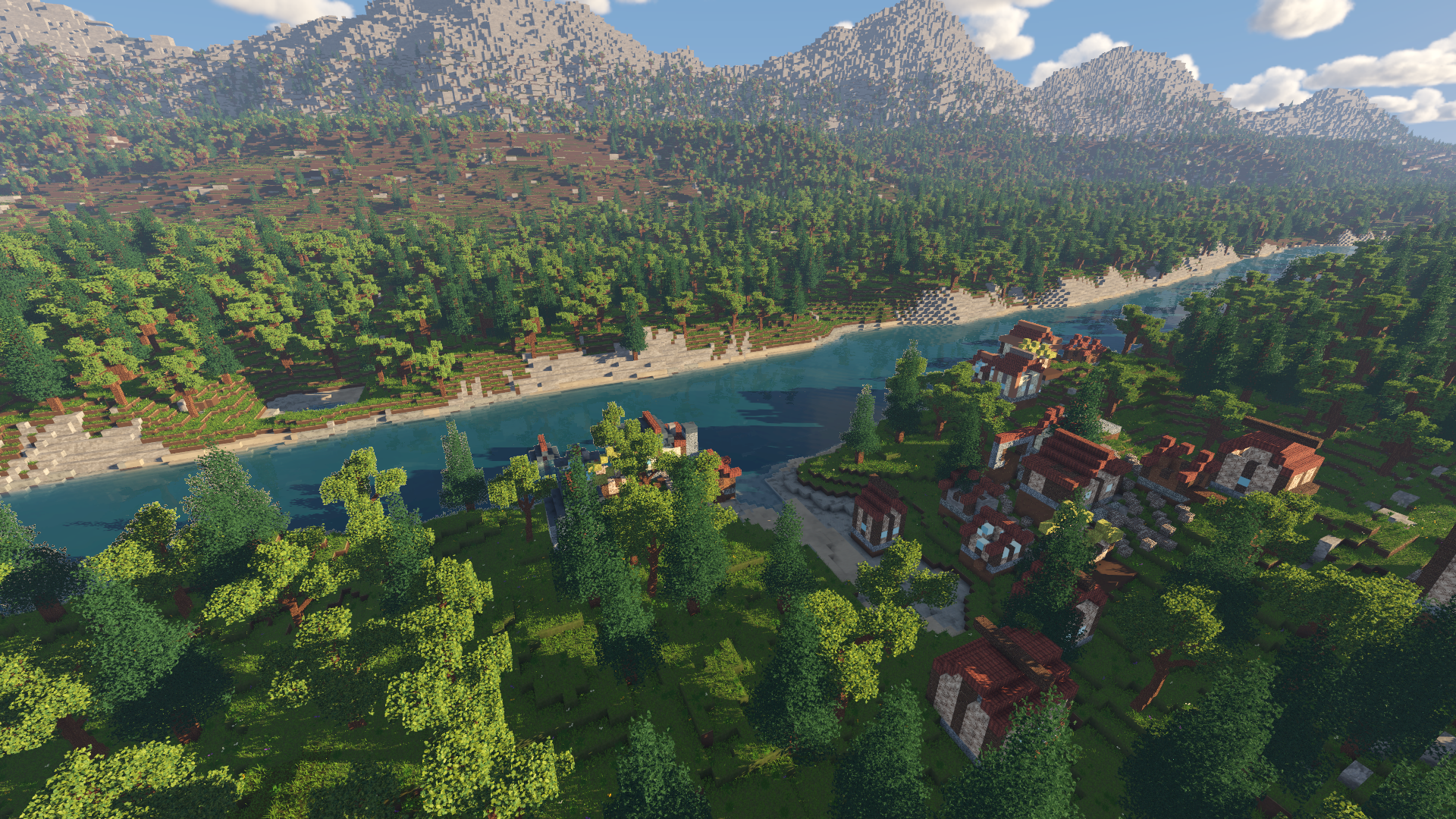
I’m building a strategy game that combines free-form voxel construction with the economy and life of a settlement. The aim is to design a town, watch its people build and work, and lead it through trade and conflict. These new landscape and building outputs were developed with GPT-6 Astra.

Game in development · Godot captures

Explore the landscape
Godot development capture of a wooded voxel river valley with a village in the foreground and mountains beyond
Developed with GPT-6 Astra. Godot development capture with extended vegetation distance.
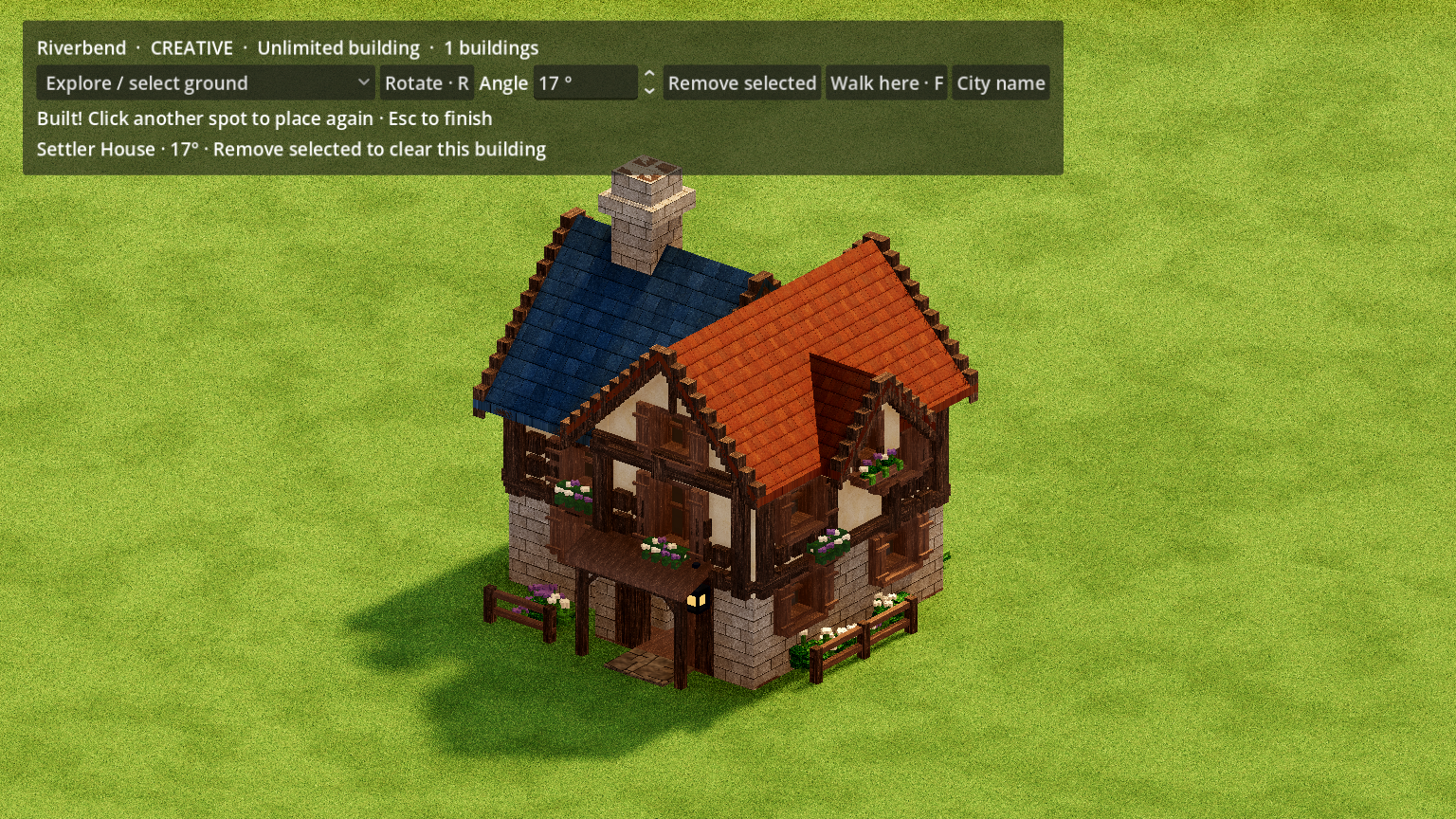
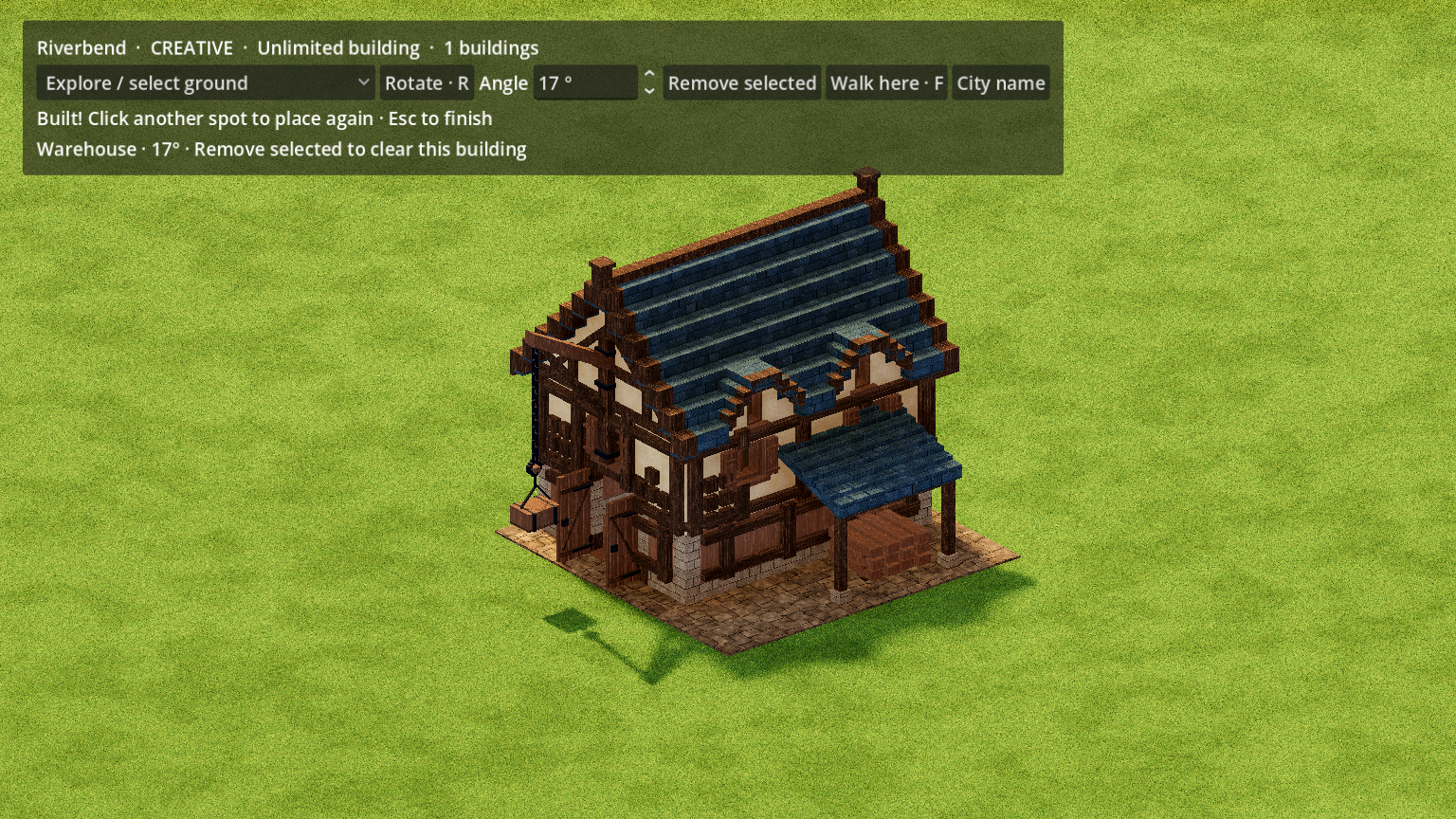
Building showcase: settler house, bakery, blacksmith, woodcutter lodge, farmstead and warehouse, rendered in the game engine. With sound.

I want medieval towns with freely chosen layouts and detailed buildings that keep their blocky character. The current creative mode lets me place and rotate whole buildings. These newer building studies are being developed separately before joining the main world.

Mechanical design / robotics

Robot Works

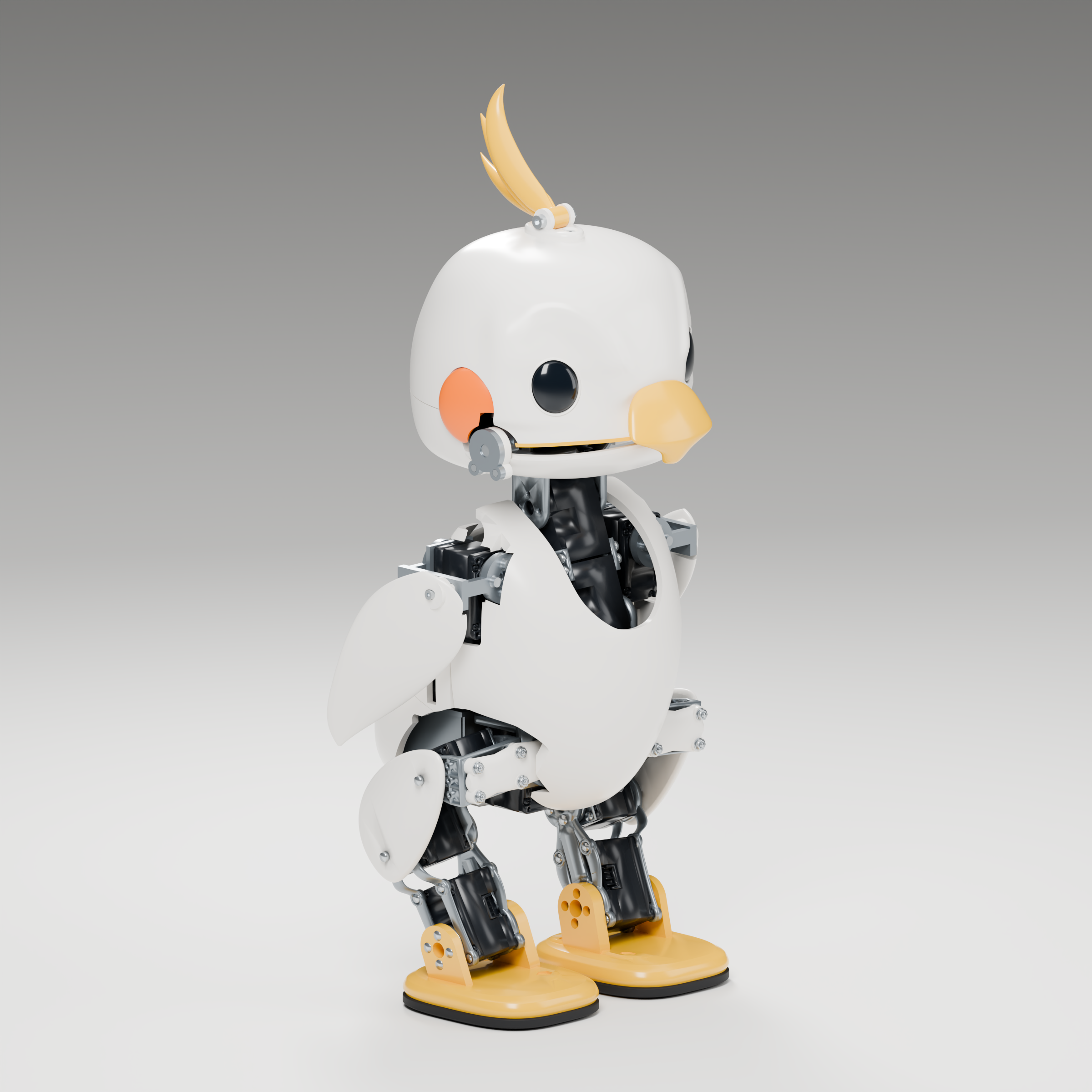
I’m designing small robots with recognizable animal forms. The latest is Cockatiel, intended to walk on two legs and use its beak to move small objects. These new design and Blender-render outputs were produced with GPT-6 Astra, guided by my choices about appearance and function.

Mechanical design · physical tests ahead

Explore the robots
Blender render of Cockatiel, a white bird-shaped robot with orange cheeks, yellow crest and feet, and exposed articulated joints
Cockatiel · developed with GPT-6 Astra · Blender render, September 2026.
Cockatiel motion study: the CAD model with 17 movable axes in the legs, neck, beak and wings. An animation, not a physical test. With sound.

Robotics hackathon / AI agents

Walk the Talk

At the Mobile Robotics Hackathon 2026 at TU Dresden, I connected a language model to a Boston Dynamics Spot. The model looks at Spot’s cameras and depth data, chooses one move, checks what actually happened, and decides again. At first it was so careful that it barely moved. Once the lessons from each run went into a shared notes file, it walked Spot out of the room and down the hallway. On Sunday, steered from a ChatGPT chat, Spot found a toy elephant, picked it up with its arm and brought it to a table. That took two hours, a safety stop and a battery change.

Built over one hackathon weekend · supervised in the lab · October 2026

Talk robotics
The Saturday in 86 seconds: from zero lines of code to Spot leaving the room. With sound.
Sunday, real robot: “Bring me the blue elephant.” Steered from chat, with a safety stop, a retry and a battery change along the way. About three minutes, with sound.

Biotech / computational research

AI-based research

Using AI to identify disease targets, investigate possible solutions, and develop candidates for laboratory testing. I am exploring how much of the design work can happen computationally before a lab tests whether it works.

Computational research / laboratory testing ahead

Discuss the research

Private computing / ongoing experiment

Local AI

What could a private machine do if it kept working all day? Starting with a Qwen model and a used RTX 3090, I am exploring continuous agents, local media, and the costs and limits of running AI at home.

Hardware experiment / planning estimates

Read the field notes

Something you want to build?

Let’s talk